
Loading...
Serving Los Banos, CA and surrounding areas. (209) 592-1588
Triple-digit summers and tule fog winters demand more than standard insulation. Closed-cell foam seals every gap and holds its performance for the life of your home.
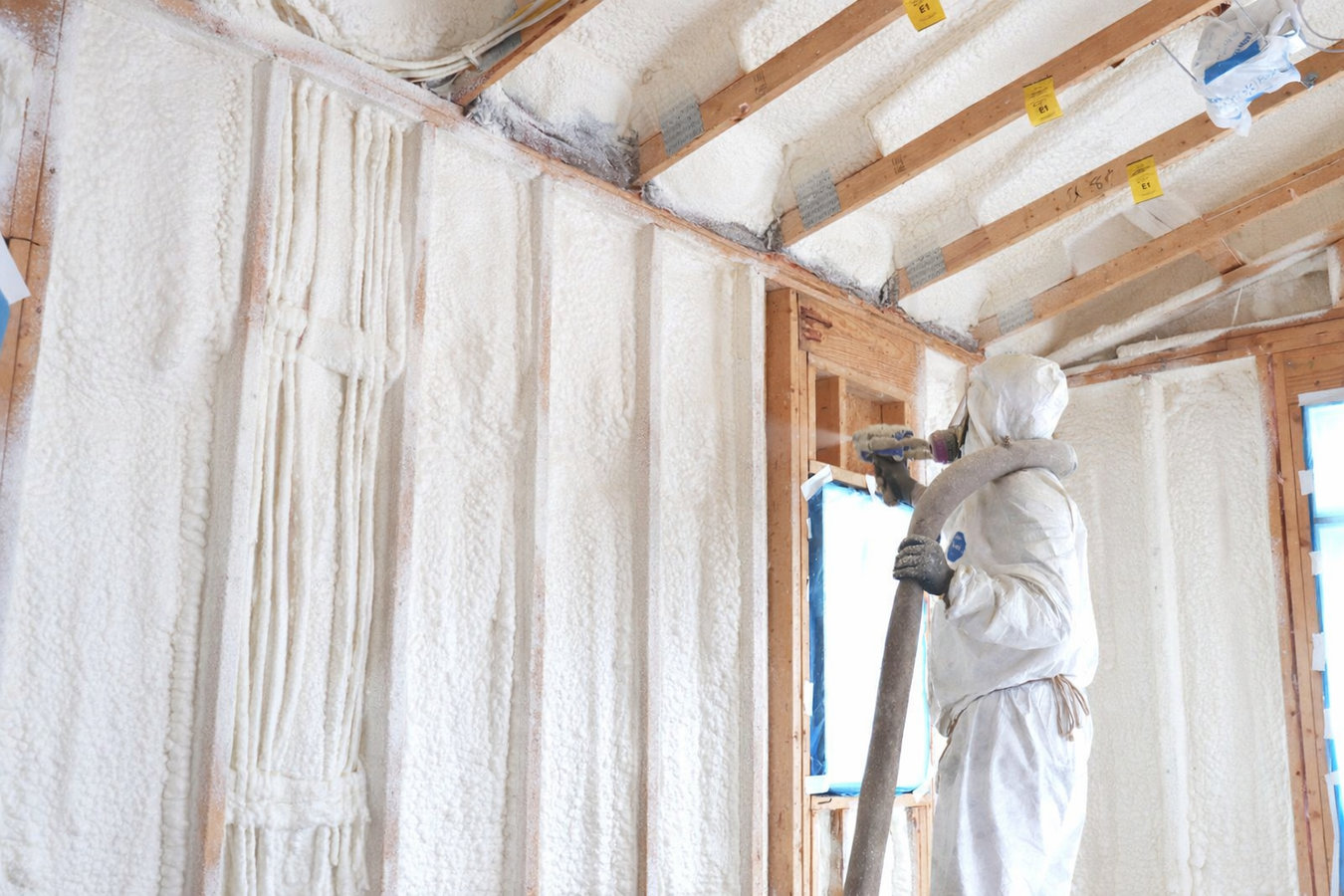
Closed-cell foam insulation in Los Banos seals air gaps and insulates simultaneously - one material doing two jobs that traditional insulation can only do partially - and most residential projects are completed in one to two days. It hardens into a rigid, moisture-resistant layer that does not sag, settle, or degrade over time the way fiberglass batts do.
In a place where summer temperatures regularly exceed 100 degrees for weeks at a time, a home with air leaks and thin insulation is fighting a losing battle against heat. Closed-cell foam's ability to block both heat transfer and air movement makes it particularly well-suited to the San Joaquin Valley's extreme conditions. Many Los Banos homeowners pair it with open-cell foam insulation in different areas of the house - using each material where it performs best - or use it as the primary solution for attic and crawl space work combined with spray foam insulation in other zones.
If your air conditioner runs for hours on a hot Los Banos summer day and your home still feels warm or stuffy, that is a strong sign conditioned air is escaping somewhere. The San Joaquin Valley's triple-digit heat is unforgiving, and a home with air leaks or thin insulation simply cannot keep up no matter how powerful the unit.
If one bedroom feels noticeably hotter or colder than the rest of the house, that usually points to uneven insulation or air leaks in that part of the home. This is especially common in older Los Banos homes where attic insulation has settled unevenly over the years. Walk through your home on a hot afternoon and note which rooms feel different.
If your energy bills keep climbing even though your usage habits have not changed much, your home's envelope may be working against you. Insulation degrades over time, and a home that was reasonably efficient in 1990 may be leaking a significant amount of energy today. Comparing your bills to similar-sized homes nearby can help you gauge whether your usage is out of line.
If you can get into your attic or crawl space and see bare wood joists with patchy or thin insulation, gaps around pipes or wires, or spots where outside light is visible, those are clear signs your home's thermal barrier has holes. Tule fog season also makes crawl space moisture a real concern - musty smells from below the floor are worth investigating before they become a bigger problem.
Closed-cell foam is the right material when you need moisture resistance and maximum thermal performance in the same application. We install it in attics - where the San Joaquin Valley sun beats down hardest - crawl spaces where tule fog moisture finds its way in, basement walls, rim joists, and exterior wall cavities during renovations. Because the foam expands and hardens on contact, it fills irregular shapes and gaps that batt insulation cannot reach. The result is a continuous thermal barrier with no voids.
We also install open-cell foam insulation for interior applications where vapor transmission is less of a concern, and we provide full spray foam insulation services that combine both types where each performs best. If your project involves California's Title 24 energy efficiency requirements - common in permitted renovations and additions - we know those standards and factor them into our proposal.
Highest-priority area for San Joaquin Valley homes - stops radiant heat at the roof deck before it enters living spaces.
Seals ground moisture and insulates the floor in one pass - the right call when tule fog humidity is a concern.
Fills the gap between foundation and floor framing where significant air and heat loss occurs in older homes.
For renovations and additions that must meet California's current energy code - closed-cell foam meets the standard efficiently.
The San Joaquin Valley creates a two-season insulation problem. Summer temperatures regularly push past 100 degrees for weeks at a stretch, putting enormous pressure on air conditioning systems. Then from November through February, dense tule fog settles over the valley and brings sustained ground-level humidity into crawl spaces and attics - especially in homes with original 1970s-through-1990s insulation that has compressed and thinned over decades. Closed-cell foam addresses both problems in one material: it blocks heat transfer in summer and resists moisture intrusion during fog season, without absorbing water the way fiberglass does.
A significant portion of Los Banos's housing stock dates from an era when insulation standards were far less demanding than they are today. If your home was built before the mid-2000s and has never had an insulation upgrade, there is a good chance you are losing meaningful conditioned air through the attic or walls every month. Homeowners in Livingston and Turlock face the same climate conditions and we serve those communities as well.
We ask about the part of your home to be insulated, the home's age, and any comfort or energy problems you have noticed. We reply within one business day and schedule a time to look at the space in person before any pricing is discussed.
We walk through the area to be insulated, measure it, check for existing insulation and moisture issues, and note any gaps around pipes or penetrations. You receive a written quote within a day or two that breaks down what will be done and what it will cost.
Clear the work area of stored items before we arrive. The crew masks off surfaces you want protected, then sprays the foam - it expands and hardens within seconds. Most residential jobs in a single area like an attic or crawl space finish in a few hours.
The treated area needs 24 hours to air out before re-entry. We ventilate as needed and tell you exactly when it is safe. Before leaving, we walk you through the finished work so you can see the coverage with your own eyes.
We reply within one business day. No obligation, no pressure - just a straight answer about what your home needs.
(209) 592-1588Every project starts with a free written estimate you can compare against any other bid before you call us back. It spells out scope, materials, and price up front, so there are no surprises once the work begins. Clear terms, documented from start to finish.
The quality of a spray foam installation depends heavily on the skill of the person holding the spray gun - not just the company name on the truck. Our crew is trained on the specific closed-cell foam products we use, so coverage is even, curing is correct, and there are no thin spots or gaps in the finished layer.
We cover Los Banos and 11 surrounding communities - from Modesto to Stockton to Madera. You get a local crew that knows this climate, these homes, and these soil conditions. No one is driving two hours to get to your job. The Spray Polyurethane Foam Alliance at sprayfoam.org outlines what proper installation training looks like.
Los Banos is in PG&E's service territory, and qualifying insulation upgrades can earn a meaningful rebate. We know which projects typically qualify and help you submit the documentation - so you are not navigating that process alone after you have already made the investment.
These are the standards we hold ourselves to on every job - not just the ones where the homeowner is watching closely. Review proper installation practices at the Spray Polyurethane Foam Alliance before you hire anyone for this work.
A more affordable foam option suited to interior walls and areas where vapor transmission is acceptable.
Learn moreOur full spray foam service covers both open- and closed-cell applications across the home in a single project.
Learn moreInstallation slots fill up fast once temperatures start climbing in the valley - contact Los Banos Insulation today for a free estimate.