
Loading...
Serving Los Banos, CA and surrounding areas. (209) 592-1588
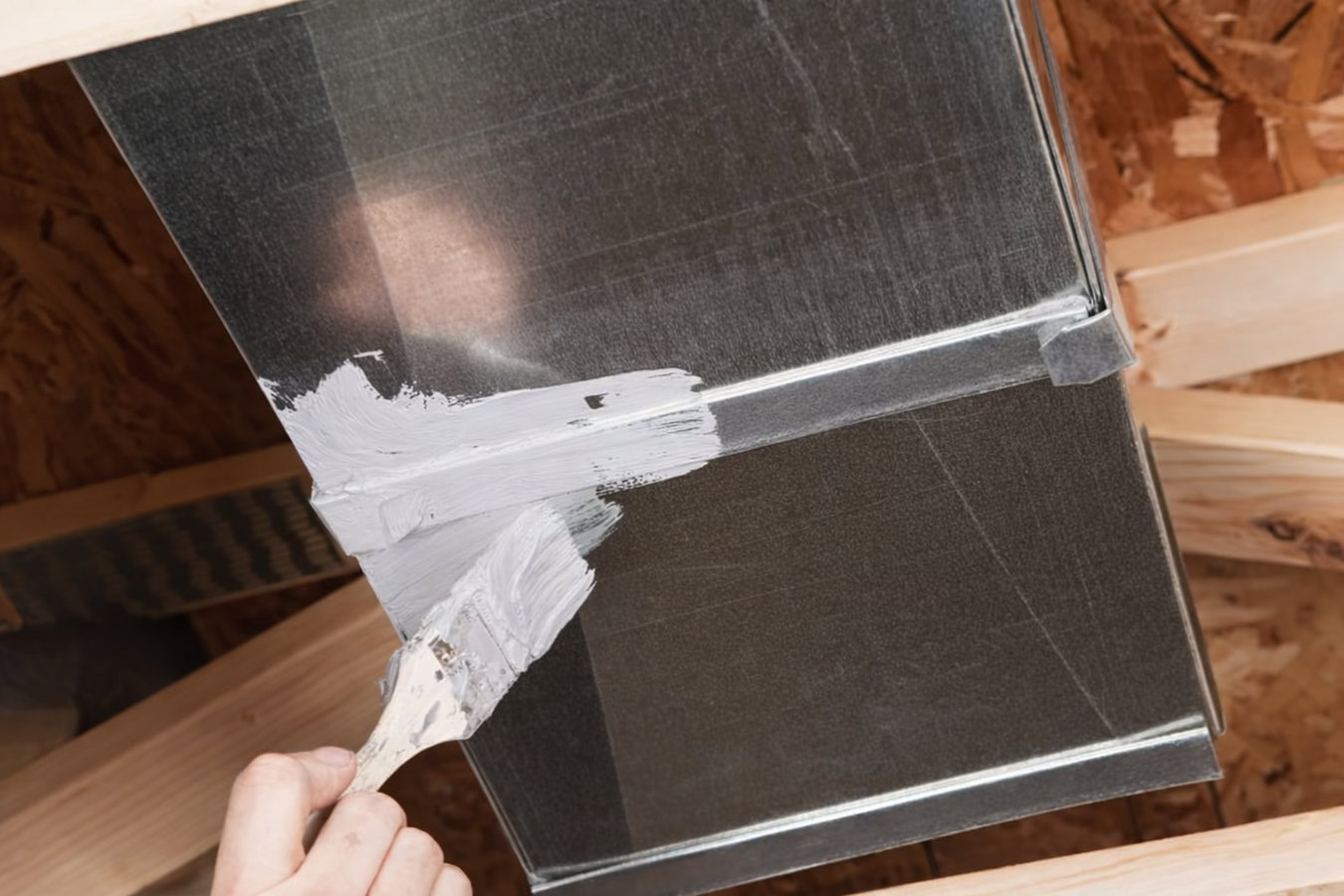
Los Banos Insulation serves Tracy, CA homeowners with air sealing services, attic insulation, and crawl space work - an experienced crew that understands San Joaquin County tract homes and replies within 1 business day.
Tracy stucco homes from the 1990s and early 2000s develop hairline cracks over time as the exterior expands through triple-digit summer heat and contracts in cooler winters - those cracks become air pathways that defeat even well-rated insulation. Our air sealing services address those gaps at the attic level - around recessed lights, plumbing chases, and framing penetrations - before any new insulation is added, so the upgrade performs at its full rated value.
Tracy temperatures regularly hit 95 to 100 degrees Fahrenheit from June through September, and a home built in 1998 with its original attic insulation is running on material that was adequate for the energy code of that era - not today's recommended R-38 for this climate zone. Upgrading the attic is where most Tracy homeowners see the fastest return on their investment.
Older homes near downtown Tracy - some dating to the early 1900s near the railroad corridor - have raised foundations with crawl spaces that sit directly over the clay soils that absorb winter rain and release moisture through spring. Insulating and sealing those spaces stops cold, damp air from passing through the subfloor and into the living area above.
Blown-in insulation is the best fit for Tracy attics that have been modified over the years - additional HVAC runs, recessed lighting, and decades of DIY improvements leave irregular surfaces that batts cannot cover cleanly. Blown-in material fills completely around all those obstacles, reaching a consistent depth across the entire attic floor.
The expansive clay soils throughout the Tracy area hold moisture from winter rains and release it slowly as the ground dries in spring - homes with crawl spaces over that soil benefit directly from a properly installed ground vapor barrier that stops moisture from wicking up into floor joists and subfloor sheathing over the wet months.
Many Tracy homeowners bought their tract home when it was new, have lived in it for 20 or more years, and are now dealing with the reality that original insulation details are no longer performing. Retrofit insulation adds or replaces material in existing walls, attics, and crawl spaces without a full renovation - targeted work that addresses the specific places where a home is losing conditioned air.
Tracy grew rapidly from the 1990s through the late 2000s, adding tens of thousands of residents in planned suburban subdivisions built quickly to meet demand from Bay Area workers seeking affordable homeownership. The city now has a population of about 96,000, and the bulk of its housing stock was constructed in that 20-year growth window. These homes - mostly stucco-clad, tile-roofed single-family houses on mid-sized lots - are now 15 to 35 years old, putting their original roofing underlayment, HVAC systems, and insulation at or past the age when attention is needed. Tracy summers are long and hot, with temperatures regularly reaching 95 to 100 degrees Fahrenheit from June through September. That sustained heat accelerates the breakdown of caulking and sealants, degrades attic insulation faster than it would in a cooler climate, and pushes HVAC equipment to run more hours each day than it was designed for - compounding wear across the board.
Tracy winters are mild but bring their own pressures. The city sits in the Central Valley, where tule fog rolls in from December through February and keeps homes in persistent damp conditions for weeks. Freeze-thaw cycles, while less severe than in colder climates, are enough to crack concrete flatwork and push water into any gap in stucco or roofing that formed during the dry summer. The expansive clay soils under most Tracy properties add to this pattern - swelling in winter rains and shrinking back in summer heat, a seasonal movement that stresses slab foundations and anything attached to them. Homes that were adequately insulated when new are losing ground with each cycle, and many Tracy homeowners are feeling that in their energy bills before they know it in an inspection.
Our crew works regularly in San Joaquin County, and Tracy is a city we reach easily from our Central Valley base in Los Banos. When insulation permits are required in Tracy, we work with the City of Tracy Building and Safety Department. Tracy's newer stucco tract homes in neighborhoods near Grant Line Road and MacArthur Drive are a housing type our team encounters regularly - we know the typical insulation configuration of those builds and what upgrades deliver the most measurable return.
Tracy sits at the crossroads of I-205 and I-580, which puts it at the edge of the Bay Area's commuter reach and gives the city a mix of longtime Central Valley residents and newer arrivals who moved for the space and value. West Valley Mall off Grant Line Road is a landmark most Tracy residents know. Tracy Hills on the west side of the city and the neighborhoods that spread east toward the foothills represent the newer end of the housing stock. The small historic district near downtown Tracy and the area around the railroad corridor has older homes - some predating the city's fast-growth era by several decades - that require different insulation approaches.
We also serve Lodi to the north, where San Joaquin County's same climate conditions and a mix of older and newer housing stock creates overlapping insulation needs. Homeowners just outside Tracy city limits should call to confirm we cover their address.
Reach out by phone or the contact form and we reply within 1 business day. A few quick questions about your home's age and current symptoms help us arrive prepared for the estimate.
We inspect the attic, walls, and crawl space and explain in plain language what we find. The written estimate breaks down scope and cost by area of the home - no pressure to decide on the spot, and the visit is free.
We bring the right materials and equipment and protect your home throughout the work. Air sealing combined with attic insulation typically finishes in one day; projects that include crawl space work usually take two days.
We walk you through the completed work before we leave, answer any questions, and provide all paperwork needed for PG&E rebates and the federal energy efficiency tax credit. We leave your home clean.
Free in-home estimate for Tracy homeowners. Written quote, no pressure. We respond within 1 business day.
(209) 592-1588Ask for a free written estimate and a documented record of the work before signing a contract. Or call us at (209) 592-1588 and we will answer any questions directly.
We are based in Los Banos and work the San Joaquin Valley corridor routinely. Tracy's stucco tract homes from the 1990s and 2000s are a housing type our crew knows well - we understand their common insulation gaps and show up to an estimate knowing what to look for.
Every project starts with a free written estimate and ends with a documented record of what we installed. Compare our scope and numbers against any other bid before committing to any work.
PG&E serves Tracy and offers rebates on qualifying insulation and air sealing upgrades. The federal energy efficiency tax credit currently covers up to 30 percent of eligible project costs. We document the work properly and walk you through claiming both before the job closes.
Tract homes built quickly in the 1990s and 2000s are where we see the biggest return from doing air sealing before adding insulation. Closing gaps around recessed lights, plumbing penetrations, and top plates before blowing in new material can improve overall performance by 20 to 30 percent compared to insulation alone.
Tracy homeowners who bought during the growth years of the 1990s and 2000s deserve a contractor who understands those homes - their original insulation details, their common failure points, and what a proper upgrade actually looks like for that construction type.
Tracy is a city of about 96,000 people in San Joaquin County, positioned at the eastern edge of the Bay Area commuter zone where I-205 meets I-580. The city grew rapidly from the early 1990s through the late 2000s as Bay Area housing prices pushed families eastward in search of affordable homeownership. That growth produced a large stock of planned suburban subdivisions - stucco-clad, tile-roofed single-family homes on mid-sized lots that now house the majority of Tracy's residents. Neighborhoods like Tracy Hills on the west side and the subdivisions spread east of downtown are representative of that growth era. Tracy also has an older core near downtown and the historic railroad corridor, where homes from the early and mid-1900s sit on different foundation types and require different maintenance approaches than the newer tract homes across the rest of the city.
The homeownership rate in Tracy is relatively high for a California city - around 60 percent - and most residents have invested significantly in their properties. Tracy is also a logistics hub, with major distribution facilities near the I-205 corridor that have brought a steady stream of workers and families to the area. West Valley Mall off Grant Line Road and the annual Tracy Dry Bean Festival each September are touchstones for longtime residents. Service areas we cover nearby include Lodi to the north and Manteca to the south, where the same San Joaquin County climate and predominantly suburban housing stock drives similar insulation needs.
High-performance spray foam creates an airtight seal that stops air leaks and maximizes energy efficiency.
Learn moreProper attic insulation keeps your home comfortable year-round by reducing heat gain and heat loss.
Learn moreBlown-in insulation fills every gap and cavity for complete, uniform coverage throughout your home.
Learn moreWhole-home insulation solutions tailored to improve comfort and lower your monthly energy bills.
Learn moreSafe removal of old, damaged, or contaminated insulation to prepare your space for a fresh installation.
Learn moreCrawl space insulation prevents moisture, drafts, and energy loss from entering your living areas.
Learn moreWall insulation reduces noise transmission and keeps interior temperatures stable all year long.
Learn moreProfessional air sealing eliminates drafts and reduces energy waste by closing gaps in your building envelope.
Learn moreBasement insulation controls moisture and temperature to transform your lower level into usable, comfortable space.
Learn moreClosed-cell spray foam delivers the highest R-value per inch along with superior moisture and vapor resistance.
Learn moreOpen-cell spray foam is a cost-effective option that provides excellent sound dampening and air sealing.
Learn moreCommercial insulation services designed to meet the scale and code requirements of businesses in Los Banos.
Learn moreVapor barriers protect crawl spaces from ground moisture that can damage structure, insulation, and air quality.
Learn moreExpert vapor barrier installation prevents condensation and moisture problems in walls, floors, and ceilings.
Learn moreAttic air sealing blocks the biggest source of energy loss in most homes before insulation is applied.
Learn moreRetrofit insulation upgrades your existing home with modern materials without requiring major demolition.
Learn moreServing these cities and communities.
Tracy summers arrive fast and fill up contractor schedules - call now or submit the form to get your estimate on the calendar before the heat season.